Aurelie Bayad
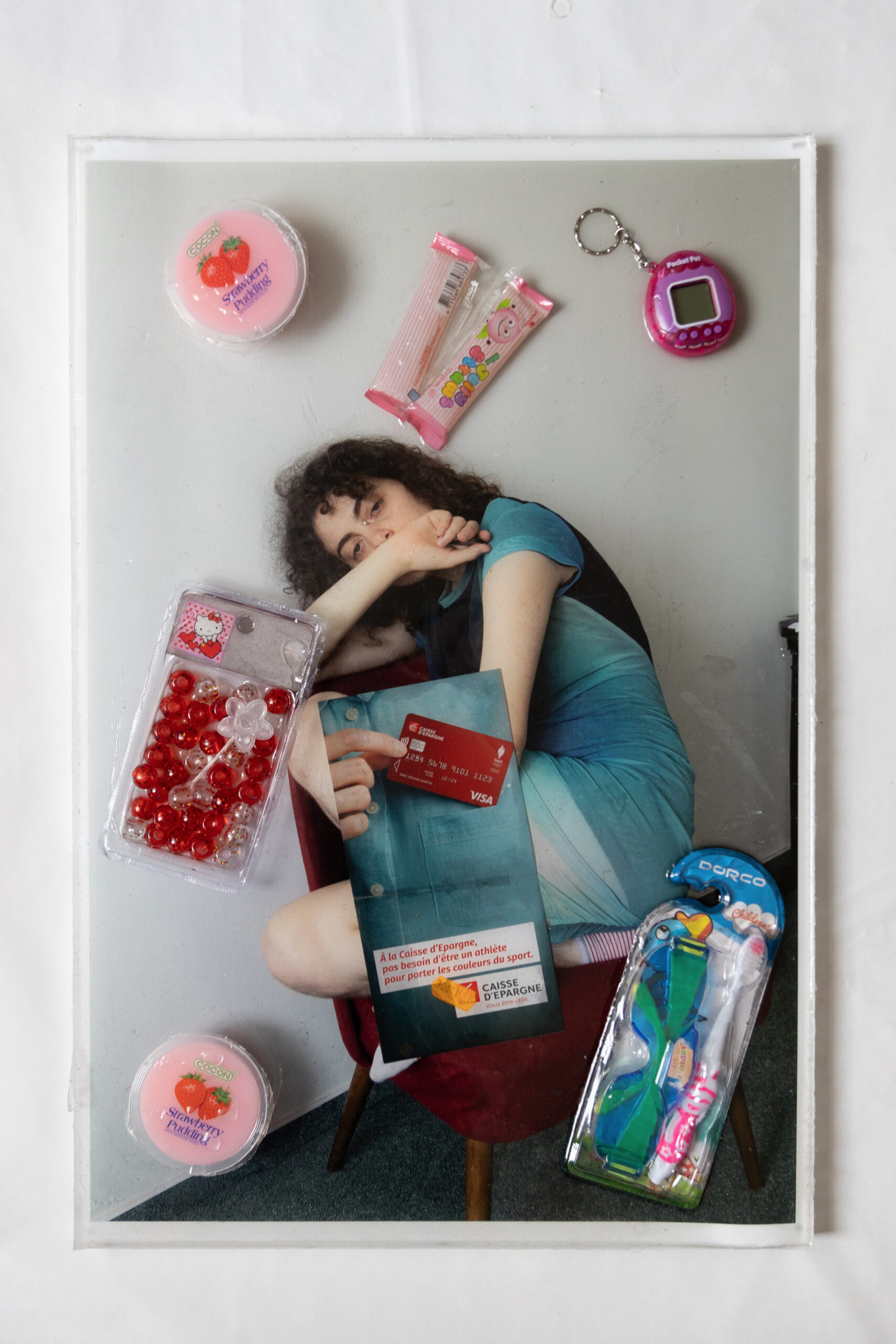
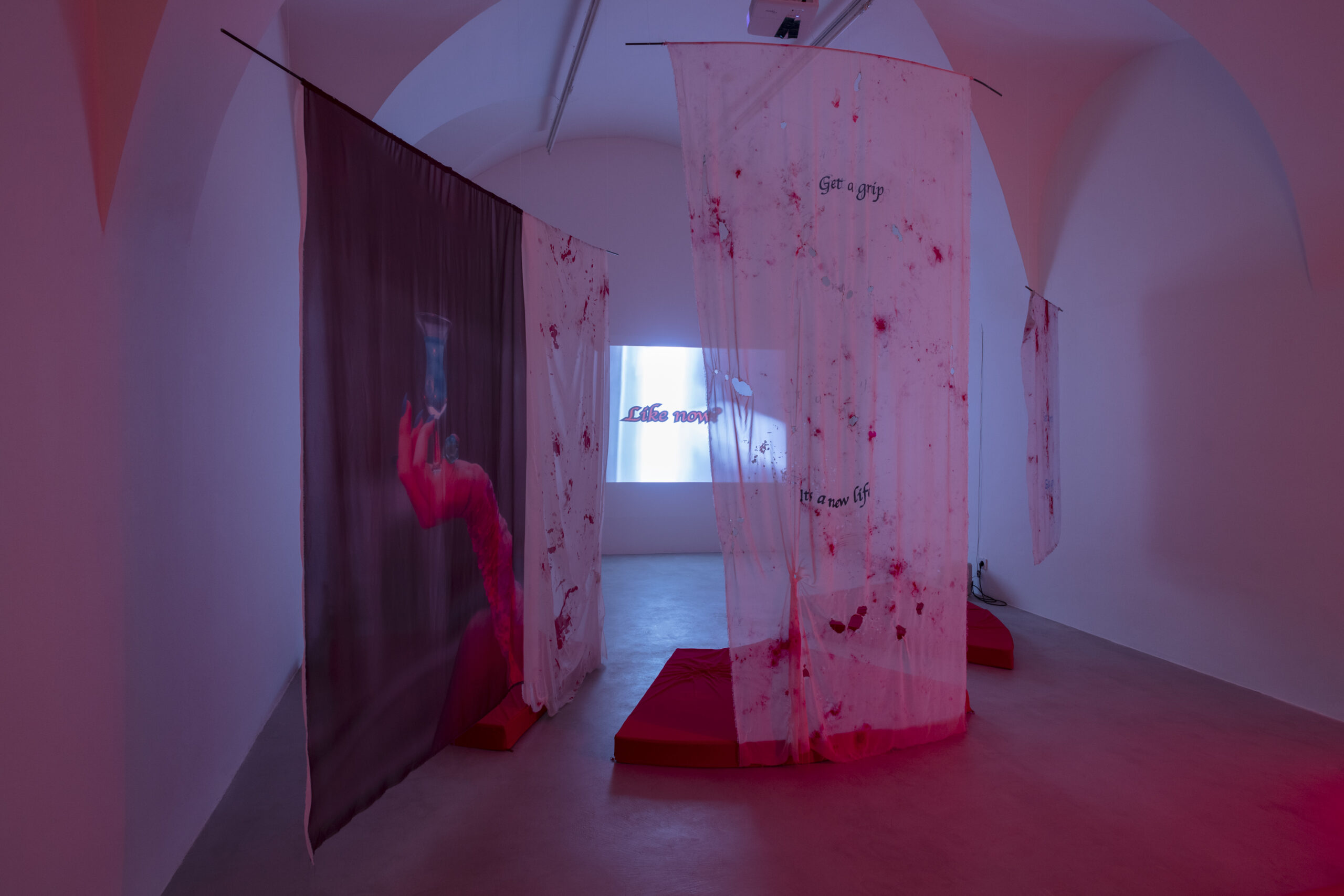
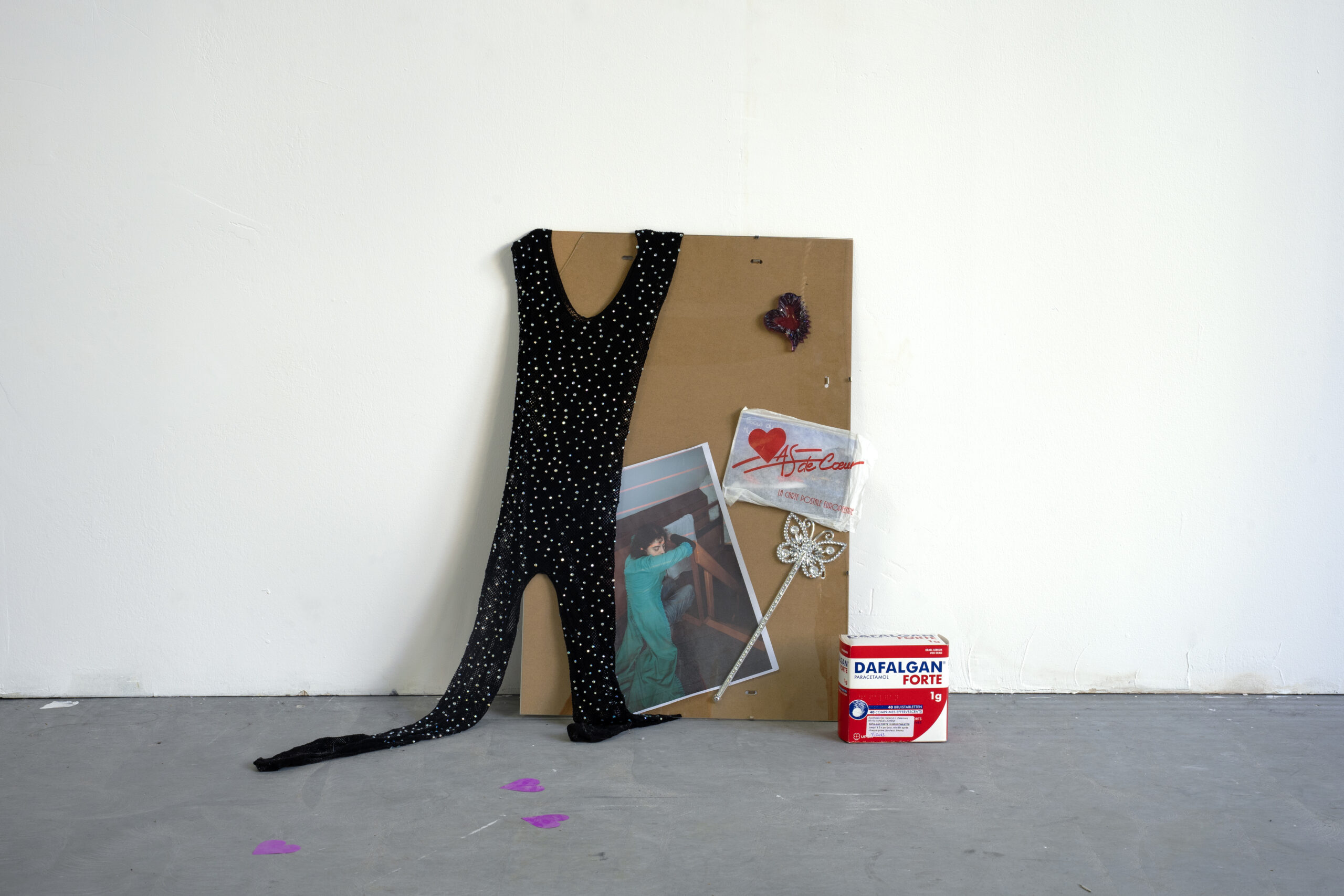
The addictive force of the internet is real, and who knows this better than Aurélie Bayad. In a post-internet world, where IRL increasingly merges with URL, new possibilities of being seep into our daily lives. In her versatile art practice, Bayad uses mainly photography, but also video and performance to confront us with the messy and dirty consequences of our hyperreal (what is real?) identities, carefully constructed to live up to new rules and expectations, set by the digital sphere of fake likes and dark web erotics. Bayad uses her camera and her body to create an aesthetic language for these new ambiguities that occur in our contemporary culture. Our bodies hover between harm and joy, we linger between the dangers of oppression and the force of emancipation when we sit and engage with our addictive screens. In glittery and gooey, ugly and disgusting, cheap and banal environments, Bayad unfolds these contrasts. In the most candid self-portraits, she shows us the behind-the-scenes struggles of ‘just a girl’, who has to survive in times of influencer capitalism and online sexism that radiates violently into our daily politics. The speed and intensity with which bodies, especially female and queer ones, are being manipulated to desire more patriarchal perfection with weapons of mass digital and social media, affect their rights in real life. Bayad utilizes her own vulnerabilities and ambiguous desires to show these complexities of today. Once she hides behind the nostalgic hue of kitschy and cheap trinkets that bring back the eighties and nineties, another time she shoots films with erratic and ecstatic sequences, and sometimes she contrasts these works with photographs that reveal the real woman behind the computer screen. She creates self-portraits in which she fearlessly looks back into the lens, as if asking us: ‘What is your real personality? What is real beauty? What is your true desire, your fetish? Who do you want me to see?’ With her otherworldly beauty standards, her visceral and disgorging, but colorful encounters with quotidian substances and foods, and her frank interrogations of intimacy, giving and receiving, love and abuse – so pertinent that they can make you tremble with self-doubt.
Text by Zeynep Kubat